How Welding Services Keep Industrial Equipment Operating
Industrial machinery forms the backbone of modern commerce, driving operations across manufacturing plants, construction sites, and distribution facilities. Keeping these complex assets operational requires constant vigilance, precise care, and durable technical solutions. Unplanned downtime disrupts supply chains and erodes business profits, making efficient upkeep a top operational priority for facility managers.
To combat mechanical fatigue and physical damage, commercial facilities rely heavily on specialized repairs to maintain continuous operations. Among the tools available to maintenance teams, industrial welding services stand out as an indispensable capability for restoring structural integrity and extending machinery utility. By repairing broken components and reinforcing vulnerable stress points, these core technical solutions ensure that heavy machinery continues to operate safely and effectively.
Restoring Equipment Functionality
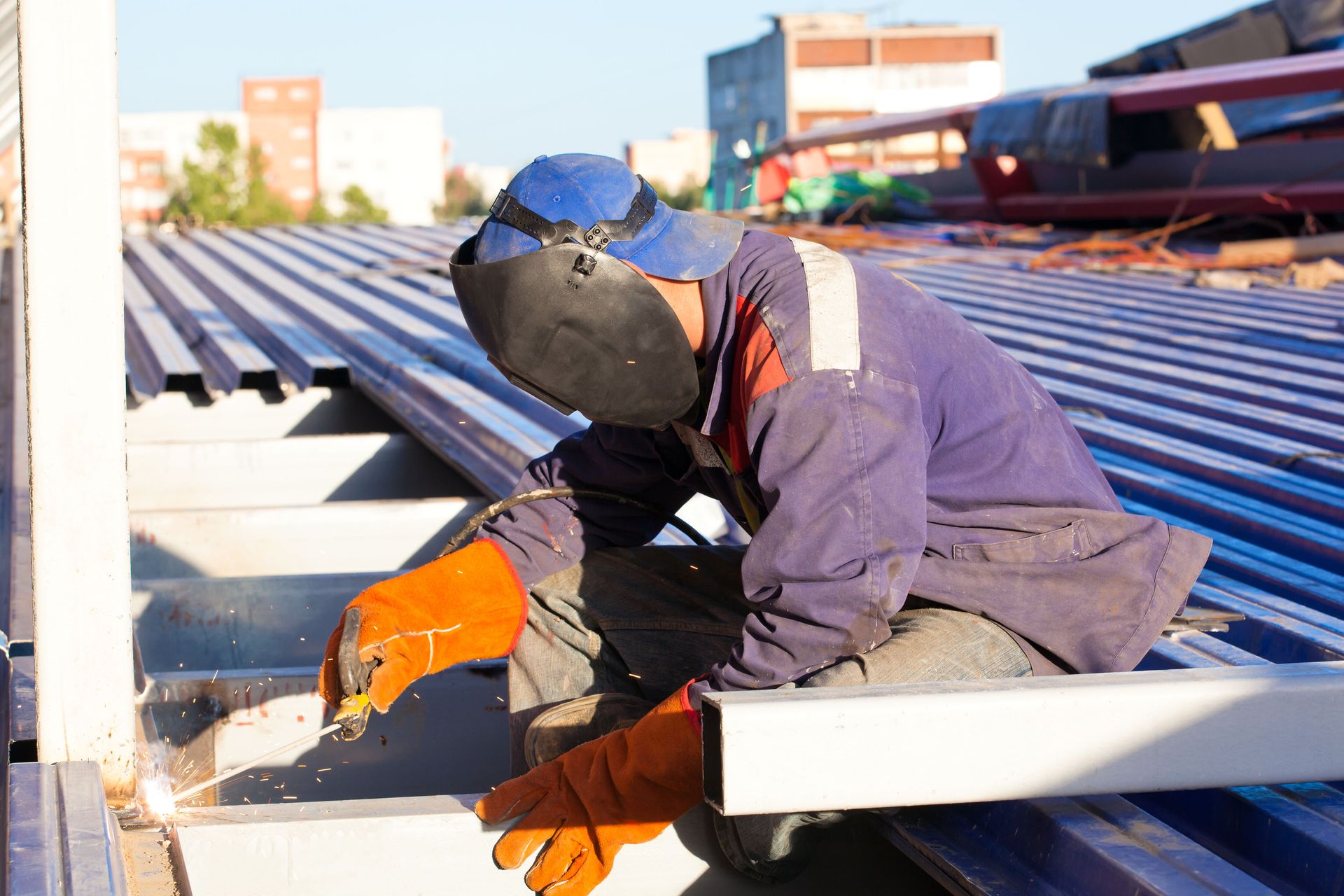
Equipment failures occur when structural components suffer from mechanical wear, material fatigue, or severe impact during daily operations. Left unaddressed, small cracks and material degradation compromise the structural safety of major machinery. Utilizing specialized welding services allows facilities to repair broken metals directly, providing permanent fixes where simple bolting or mechanical clamping falls short.
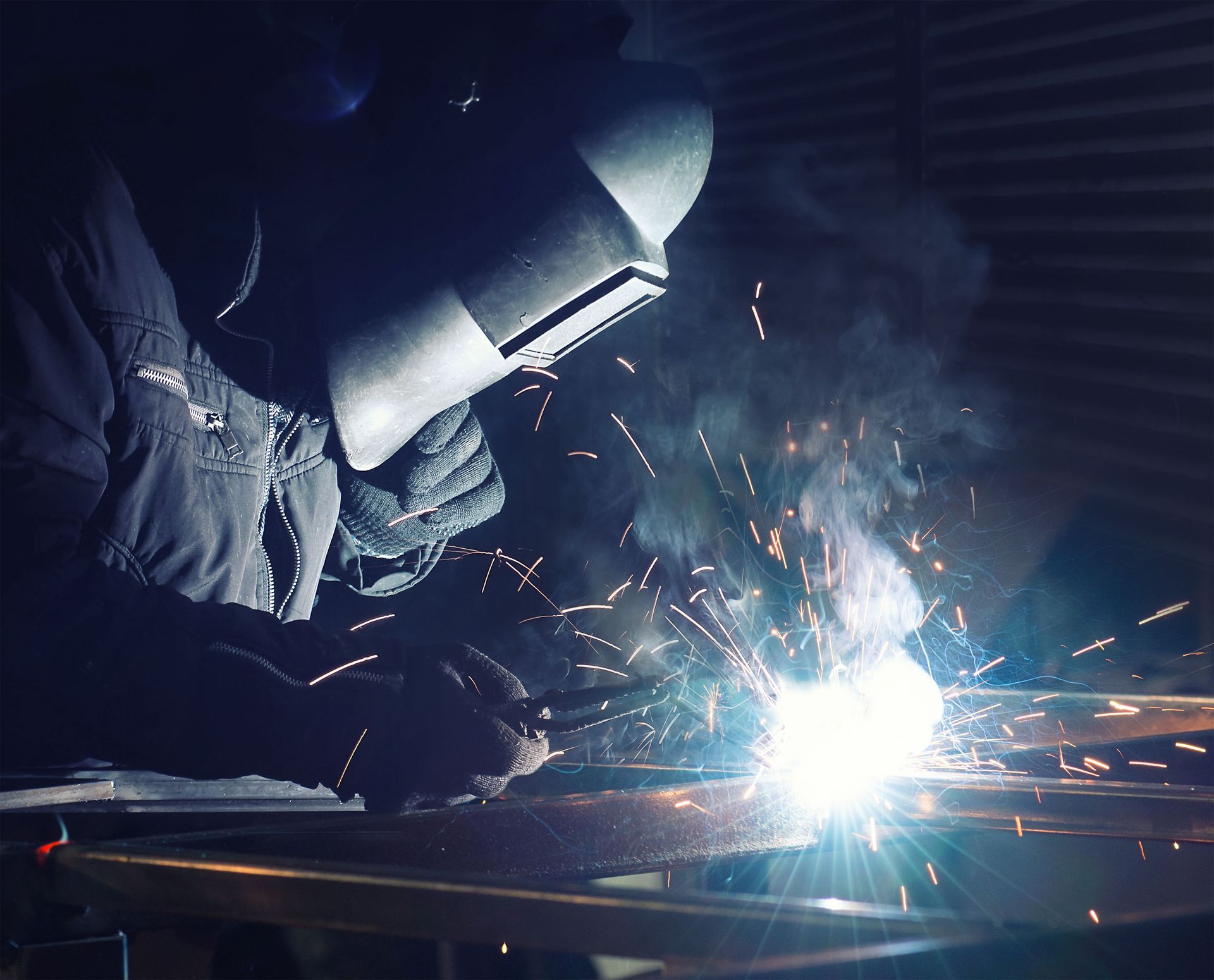
Selecting the appropriate technique is critical when restoring damaged components to full operational capacity. Precision options like tungsten inert gas welding offer exceptional control on thin or sensitive materials, whereas metal inert gas welding delivers rapid turnaround times on larger structures. Shielded metal arc processes remain dependable for heavy-duty joints that must withstand extreme physical loads, ensuring repaired parts meet original functional standards.
Documenting successful interventions helps maintenance supervisors refine repair protocols for recurring mechanical issues. Whether restoring a fractured hydraulic arm on heavy excavators or mending severe stress fractures along high-volume factory conveyor frames, targeted thermal joining processes prevent minor structural flaws from expanding into catastrophic failures. Proper execution preserves original engineering tolerances while maintaining overall workplace safety.
Preventing Operational Failures
Integrating routine structural care into regular preventive maintenance schedules shifts operations from reactive troubleshooting to proactive care. Routine inspections frequently uncover minor surface cracks, loose structural bracing, or localized thinning long before complete component breakdown happens. Addressing these early indicators immediately preserves machinery stability and maintains peak production performance throughout daily duty cycles.
Unplanned machinery outages interrupt tight production timelines and cause severe scheduling backlogs across connected workflows. By scheduling proactive repairs during planned plant shutdowns, facility managers minimize unexpected operational disruptions. According to ZipDo, annual expenditures on welding equipment, consumables, and labor within the American construction industry reach $15 billion, demonstrating the substantial investment companies make to keep heavy assets operational.
Building structured maintenance plans requires seamless collaboration between engineering staff and certified technical specialists. Scheduled checks ensure that critical structural joints are evaluated for stress lines before thermal fatigue causes full structural severance. Proactive structural care significantly lowers long-term operational risks, giving site supervisors confidence that major equipment will remain reliable under heavy work orders.
Fabricating Custom Components
Standard off-the-shelf equipment parts often fail to meet the exact specifications demanded by specialized industrial environments. Operating environments with unique spatial constraints, severe temperatures, or unusual load requirements necessitate custom engineering solutions. Utilizing tailored welding services allows companies to design and assemble bespoke components that integrate seamlessly into existing machine configurations.
Crafting custom fabrications relies on matching specific thermal joining processes to the metals being combined. Specialized metal inert gas and tungsten inert gas methods enable technicians to join diverse alloys, including stainless steel, aluminum, and hardened structural steel. These targeted techniques yield tight tolerances and exceptionally strong seams, ensuring custom brackets, chutes, and frames perform flawlessly under demanding conditions.
Custom fabrication solves distinct industry challenges, such as forming specialized piping manifolds for chemical processing or constructing heavy-duty frames for specialized forestry machinery. Emerging design technologies, including computer-aided design modeling and robotic guidance systems, further improve the accuracy and repeatability of custom component creation. Tailored fabrications enhance operational efficiency by fitting exact functional requirements.
Extending Machinery Lifespan
Continuous heavy exposure causes gradual surface wear and material thinning on industrial tools and structural housings. Investing in qualified welding services protects structural integrity and restores worn surface areas before irreversible material loss occurs. Applying protective overlays builds a tough shield against heavy abrasion, severe impact, and corrosive chemical exposure.
Selecting appropriate filler metals ensures repaired components withstand harsh operating conditions for extended periods. Matching filler metal chemistry to the base material maintains proper tensile strength and corrosion resistance across repaired joints. High-nickel alloys and stainless steel fillers, for example, protect components exposed to harsh liquid chemicals, preventing internal deterioration and preserving mechanical stability.
Reinforcing high-stress areas like excavator bucket teeth, crusher jaws, and industrial pump impellers extends total service life considerably. Extending asset longevity yields significant financial savings by delaying expensive capital purchases and reducing disposal costs. Strategic structural reinforcement provides a sustainable path for managing heavy machinery while maintaining high operational readiness.
Maximizing Financial Returns
Prompt structural repairs deliver distinct economic advantages by preventing minor component cracks from escalating into severe equipment breakdowns. Emergency repair calls and full machine replacements carry immense financial costs that strain corporate budgets. Partnering with professional welding services helps companies manage maintenance expenditures predictably through scheduled, cost-effective structural interventions.
Managing structural assets effectively directly impacts workplace safety and workforce skill requirements. As machinery design becomes more complex, maintaining equipment requires skilled technicians trained in modern metallurgical techniques and automated joining tools. Investments in technical training ensure maintenance teams possess the precise skills necessary to handle high-stress structural repairs safely and accurately.
Maintaining equipment through targeted thermal repairs improves overall return on investment and preserves asset resale value. Well-maintained machinery commands higher value in secondary markets and delivers reliable output throughout its working lifetime. Consistent asset management ensures production goals are met without unexpected operational interruptions, solidifying a firm competitive advantage within demanding market sectors.
Integrating Advanced Technologies
Modern welding services integrate advanced automation and high-precision machinery to refine structural repairs. Automated systems and robotic machinery execute consistent, high-precision joints on heavy structural components, reducing human error and boosting throughput. Modern non-destructive testing tools allow technicians to verify internal joint soundness without damaging repaired machinery parts.
Artificial intelligence and smart control software optimize thermal joining parameters in real time, adapting heat output and wire feed rates dynamically. Intelligent monitoring systems ensure optimal penetration and minimal thermal distortion, producing exceptionally clean joints on heat-sensitive metals. These high-tech capabilities allow repair facilities to handle intricate component repairs with unprecedented accuracy and repeatability.
Future developments point toward increased adoption of automated equipment and eco-friendly practices that reduce power consumption and material waste. Incorporating advanced robotics enables technicians to complete repairs in hazardous environments safely, including confined spaces or extreme temperature zones. Embracing modern thermal joining innovations positions industrial operations to meet evolving production demands with maximum reliability and minimal downtime.
Thermal structural repairs play a critical role in preserving industrial machinery across modern economic sectors. From emergency repairs and proactive inspection programs to custom component fabrication and advanced robotic integration, these technical capabilities maintain operational efficiency and protect valuable capital assets. Implementing comprehensive maintenance strategies ensures heavy equipment remains safe, compliant, and productive under challenging working conditions.
As industrial technologies advance, partnering with experienced technical providers remains essential for long-term operational success. Relying on high-quality welding services allows businesses to minimize operational downtime, extend machinery lifespan, and achieve superior productivity goals across all facility operations. Contact us today to learn how West River Welding & Machine Inc. can keep your machinery running at peak performance.
Share On: