Why Is Welding Important in Construction?
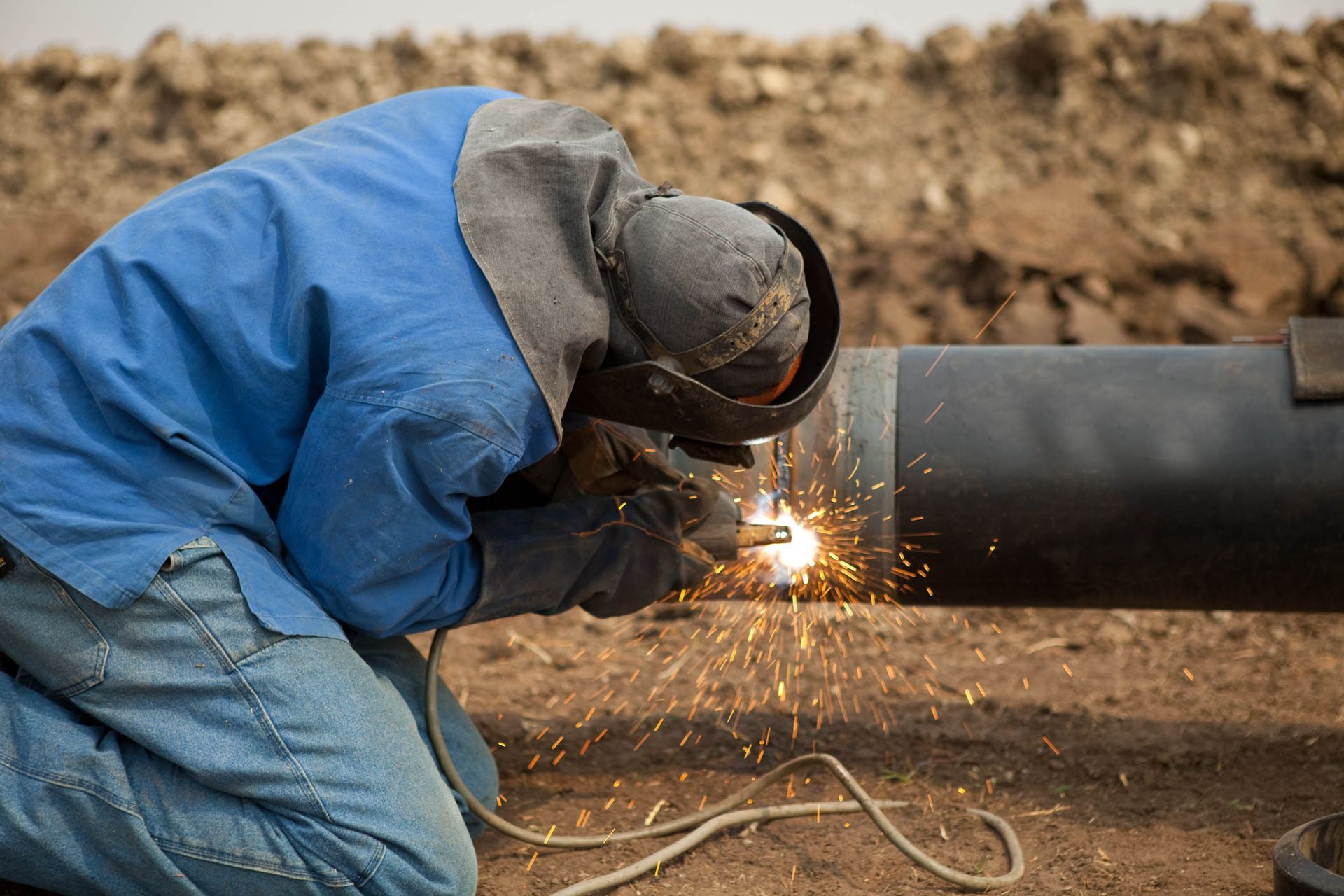
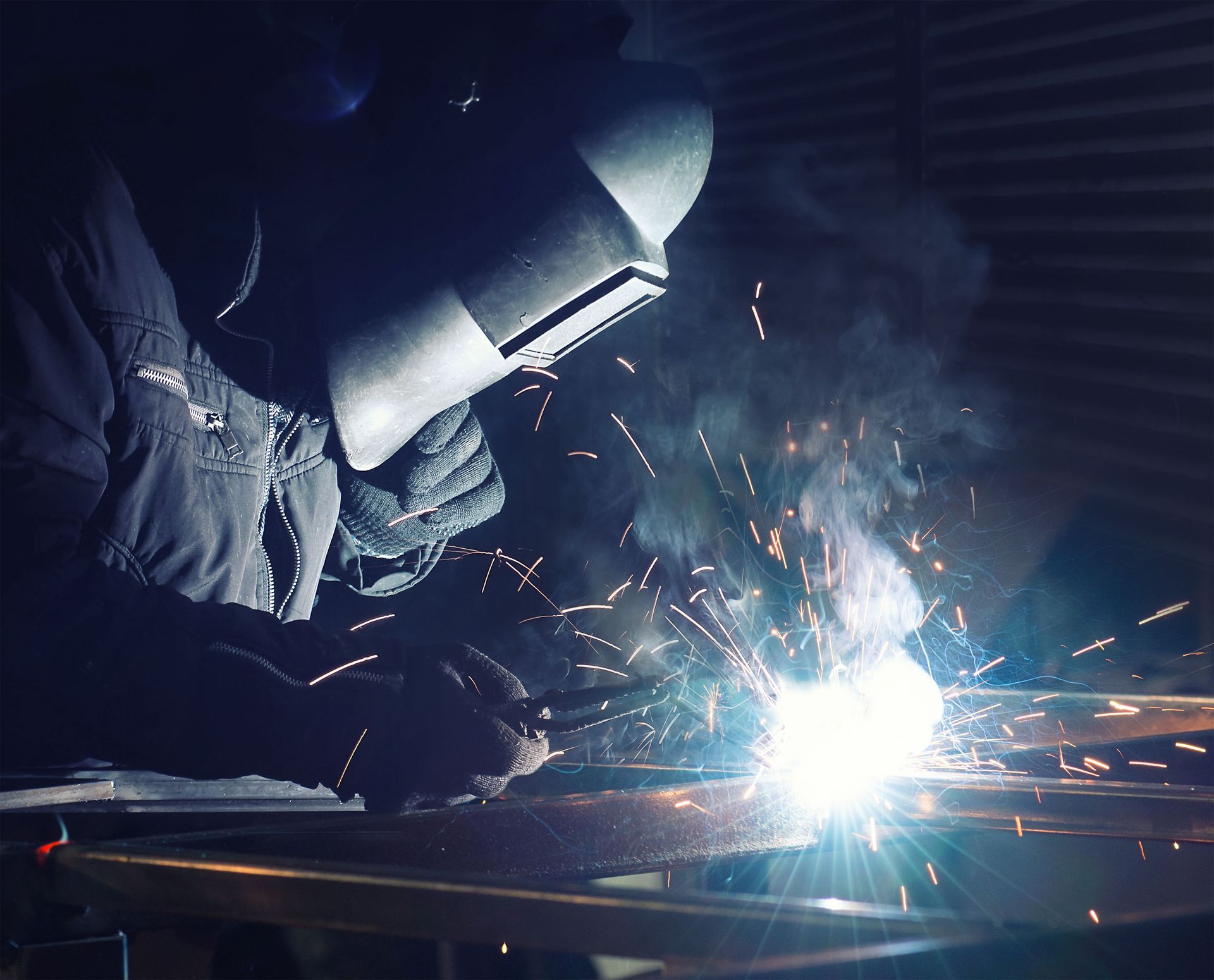
Welding is a vital process in the construction industry, playing a crucial role in building infrastructure, bridges, buildings, and various other structures. As a fabrication and sculptural technique, welding joins materials like metals and thermoplastics. With the evolution of construction demands, welding has become indispensable due to its versatility and efficiency.
Understanding Structural Integrity
Welding creates robust connections, essential for the stability and durability of structures. By fusing materials into a single, cohesive unit, welded joints ensure that structural elements can handle stress and resist separation. This is particularly crucial in high-stress environments such as skyscrapers and bridges. The ability of welding to maintain structural integrity is unmatched by other bonding methods. According to Tulsa Welding School, ancient techniques of joining metals date back to as early as 3,500 B.C., proving its long-standing reliability.
Properly executed welds can enhance the load-bearing capacity of structural components. The fusion process distributes loads evenly across joints, preventing localized weaknesses. When considering high-rise buildings and expansive bridges, the load-bearing capabilities of welded structures are critical. Engineers often rely on welding to improve the overall resilience of construction materials. Consequently, this attribute allows for the development of more ambitious architectural designs that push engineering boundaries.
Welded structures are often more resistant to environmental stressors, such as wind and rain. This is due to the unyielding bonds formed by welding, which provide excellent protection against external forces. In environments subject to temperature fluctuations and moisture, welded joints minimize vulnerabilities that could otherwise lead to deterioration. Additionally, welding processes can include specific treatments that further shield structures from environmental degradation. This resistance is particularly vital in infrastructures like bridges and offshore platforms where environmental conditions are harsh.
Maintaining Efficiency and Speed
Welding allows for rapid assembly of structures, speeding up construction times significantly. Unlike mechanical fastening methods, welding does not require pre-drilling, making the entire process quicker. Construction deadlines can be tight, and the ability to expedite building efforts without compromising quality is invaluable. With welding, larger projects can proceed without unnecessary delays, leading to timely project completion. Speed in assembly also translates into financial savings and faster usage of the constructed facility.
Efficient welding can decrease overall labor requirements and project costs. As welding streamlines assembly processes, fewer workers are needed for joint tasks, thus reducing manpower demands. The simplicity and speed of welding lead to cost-effectiveness in labor, which directly impacts overall project budgets. Moreover, the reduction in labor costs does not undermine the quality of the built structure. Consequently, welding offers both economic and qualitative benefits to construction projects.
The integration of automated welding technologies can further streamline construction processes. Robotics in welding minimize human error and improve precision in complex assembly tasks. Automated systems are capable of operating continuously, boosting production rates while maintaining high-quality outputs. This automation allows construction companies to meet tighter deadlines and respond flexibly to client demands. The use of welding robots signifies a step toward future-oriented, efficient construction methodologies.
Considering the Versatility of Applications
Welding techniques can be applied to a wide range of materials, including steel, aluminum, and alloys. Different welding methods cater to the unique properties of these materials, ensuring strong and reliable joints. This compatibility extends the applicability of welding across various parts of construction projects, from frames to finishings. Consequently, welding holds a place in diverse architectural and infrastructural developments. The ability to join different materials effectively underscores welding’s adaptability in modern construction.
There are various welding techniques available, each suitable for different applications and materials. Techniques such as MIG, TIG, and arc welding have distinct advantages that cater to specific construction needs. This diversity in methods allows engineers to select the most appropriate technique for each unique scenario. The choice of welding method can influence both the quality and efficiency of construction processes. Ultimately, having multiple welding options makes it easier to address complex engineering challenges.
Welding allows for the creation of intricate designs and unconventional shapes in construction. Its flexibility enables architects to push creative boundaries, resulting in innovative and aesthetically pleasing structures. The capability to weld non-standard shapes without sacrificing strength makes welding a favorite among designers and engineers. From sculptures to non-linear buildings, welding supports artistic expression within the framework of structural integrity. Therefore, welding plays a pivotal role in materializing architectural visions that defy traditional constraints.
Complying With Safety Considerations
Compliance with safety standards and codes is critical when using welding in construction projects. Adhering to these standards ensures that welded joints are reliable and can bear the structural loads as designed. It is essential for project engineers to follow these guidelines to mitigate risks associated with construction failures. Furthermore, safety standards promote uniform quality in welded structures, making inspections and maintenance more straightforward. By prioritizing safety, the construction industry can uphold public safety and trust in built environments.
Welding minimizes the risk of structural failures that could lead to accidents. The continuity and strength of welded joints provide a safeguard against failures resulting from weak or improper fastening methods. This critical role of welding in preventing disasters is emphasized in safety-conscious sectors such as nuclear plant construction. Continuous innovations in welding technology also contribute to reducing potential structural vulnerabilities. The prevention of failures ultimately benefits all stakeholders, from construction teams to end-users.
Proper safety training for welders ensures safe working conditions and high-quality work. Training encompasses a broad range of topics including hazard recognition, correct equipment usage, and adherence to safety protocols. Certified welders are equipped to perform their tasks with maximum safety and efficiency, reducing workplace accidents. Continuous education keeps welders updated on the latest techniques and safety measures, reinforcing a safety-first culture. Prioritizing training not only protects individuals but also enhances overall project outcomes through skilled execution.
Utilizing Innovations in Welding Technology
Modern welding equipment increases efficiency, accuracy, and safety in construction. Technological advancements have enabled machines to deliver consistent, high-quality welds across varied applications. Improved tools reduce setup times, enhance precision in aligning components, and provide better monitoring of weld quality. By leveraging these advanced tools, construction projects benefit from increased reliability and reduced error margins. Consequently, modern equipment not only boosts productivity but also upholds rigorous safety standards.
The use of robotics in welding automates processes, improving precision and speed. Robotic systems can perform repetitive tasks without fatigue, ensuring consistent quality and reducing human error. These machines can access weld locations that might be hazardous or challenging for human welders, increasing safety while enhancing efficiency. Automation with robotics enables construction companies to handle larger volumes of work, improving their competitive position. The integration of robotics signifies a leap toward advanced industrial capabilities in the welding sector.
The convergence of 3D printing and welding is revolutionizing construction possibilities. Combining these technologies allows for the creation of intricate structures with enhanced material properties. 3D printing offers unprecedented accuracy, while welding ensures the joined sections possess structural integrity. This combination facilitates complex designs previously deemed unachievable with traditional methods. As these technologies evolve, they promise to redefine construction paradigms, paving the way for transformative architectural developments.
Welding is undeniably a cornerstone of modern construction, offering myriad benefits from structural integrity to innovative applications. In contributing to faster construction times, reduced labor costs, and a lesser environmental footprint, welding stands as an indispensable tool in building infrastructure. Its continuing evolution in response to technological advances and environmental commitments ensures
welding will remain vital in future developments. To see what welding services West River Welding & Machine, reach out to us anytime, and we'd be happy to address your questions, comments, or concerns.
Share On: