Why Welders Are Key to Infrastructure Durability and Safety
In the construction and maintenance of infrastructure, skilled tradespeople play a vital role in ensuring the durability and safety of structures. As the backbone of modern development, welders contribute significantly to the integrity and longevity of buildings, bridges, pipelines, and other essential systems. These professionals use specialized techniques to fuse materials, ensuring that heavy-duty frameworks remain stable under immense pressure. Examining their role reveals how structural quality relies on precise workmanship.
Modern infrastructure requires continuous oversight, fabrication, and reinforcement to withstand environmental stressors and heavy daily usage. Without high-quality craftsmanship, critical connection points within major transportation and utility networks would rapidly degrade. The following sections explore the multifaceted importance of these specialists in maintaining and enhancing the overall quality and resilience of public and private infrastructure projects.
Developing Modern Infrastructure Through Welding
Welding has a rich history that dates back to ancient times when blacksmiths mastered forging techniques. As societies industrialized, fusing metals became crucial for creating stronger and more complex structures. By the 19th century, the development of reliable arc and gas processes was indispensable to industrial expansion, allowing for the rapid construction of railways, ships, and machinery. Today, specialized welders continue to serve as a cornerstone of development, adapting to new materials and technological innovations.
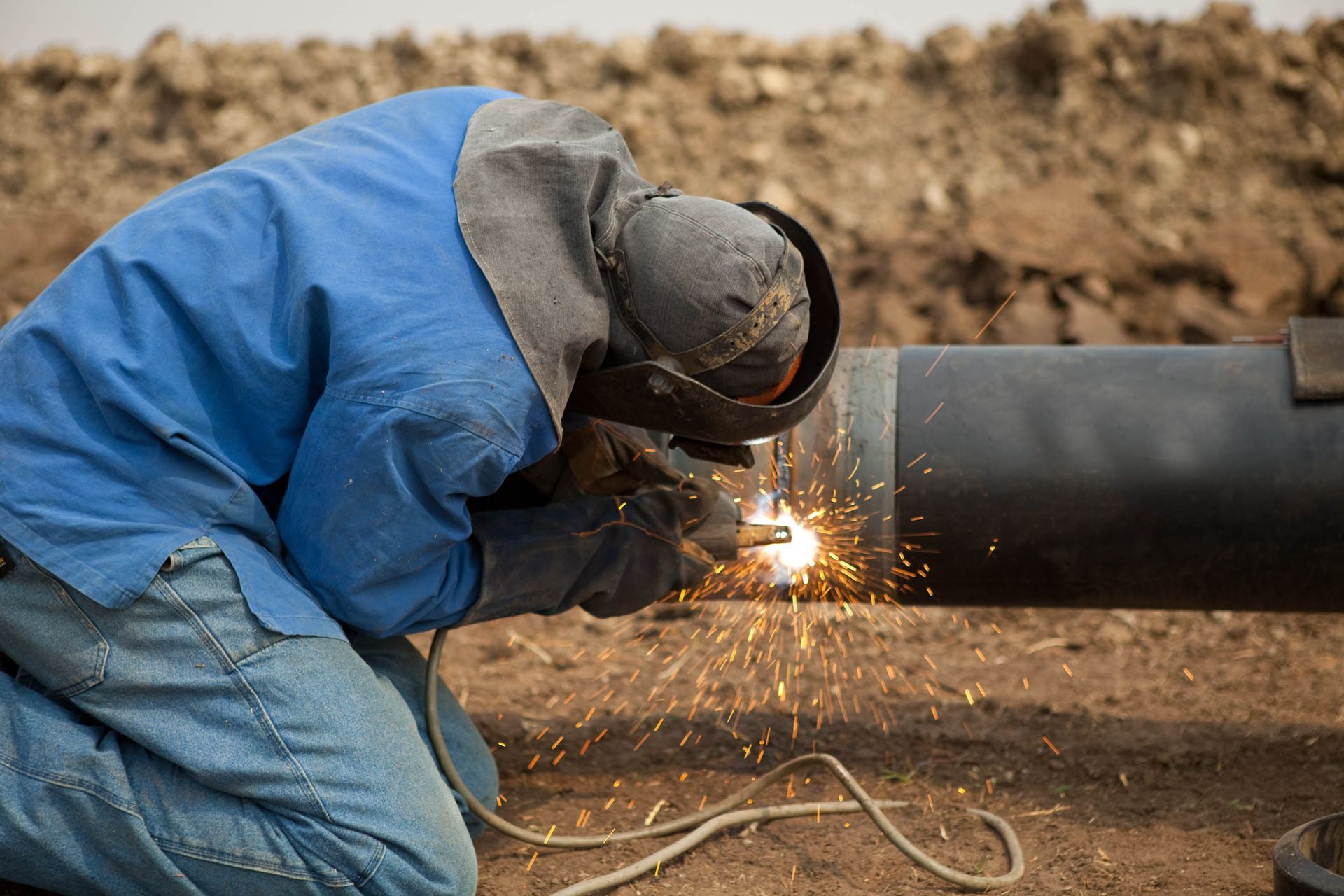
These professionals are essential players in any construction project, responsible for creating reliable joints that determine the ultimate load-bearing capacity of structures. Their technical skills are heavily relied upon in the construction of skyscrapers, highway bridges, industrial pipelines, and aerospace vehicles. Because mastering this trade requires a deep understanding of metallurgy, physical mechanics, and meticulous attention to detail, the global demand for qualified personnel continues to rise as infrastructure projects increase in scale and complexity.
However, the labor market is currently facing a significant demographic shift that threatens project timelines. According to The Business Research Company, more than 1/5 of welders are approaching retirement age. This looming departure of experienced personnel highlights an urgent need for recruitment and training programs to ensure new talent can step in and maintain the structural integrity of future projects. Close collaboration between engineers and field hands remains critical to executing precise structural blueprints and mitigating risks.
Advancing Fabrication Methods and Technology
The integration of automated processes represents a significant technological advancement that enhances productivity and precision in manufacturing and construction. Automated systems can perform repetitive tasks with high efficiency and consistency, reducing human error on large-scale production lines. These specialized systems weld with incredible speed and accuracy, tackling heavy industrial projects that would be incredibly daunting or time-consuming for manual operators. This technological shift changes how companies approach large-scale structural assembly.
Robotics plays an increasingly vital role in modern operations, offering unmatched precision and ease in handling complex tasks. Robotic systems can perform intricate joins in dangerous, confined, or otherwise inaccessible areas, ensuring safety and quality without putting human operators at risk. As the technology matures, automated welders are becoming integral to advanced manufacturing and large infrastructure projects. They offer unparalleled consistency, reduce material waste, and contribute to significantly faster project completion times.
Software and simulation tools have also revolutionized precision work by enabling virtual testing and quality assurance before any physical metal is struck. Modern software allows engineers to simulate thermal stress, predict physical distortion, and optimize techniques digitally. By integrating these advanced tools, the trade continuously improves its ability to deliver precise and reliable results. These innovations do not replace human workers, but rather require highly trained operators who can program, maintain, and oversee these complex systems.
Ensuring Structural Integrity and Longevity
Ensuring the load-bearing capacity of a structure relies heavily on the quality of its fused connections. The success of massive civil engineering projects, like suspension bridges and high-rise commercial buildings, fundamentally depends on the technical skills of certified welders. Properly executed joints allow structures to redistribute loads and withstand severe environmental stress over decades of continuous use. Conversely, sub-standard work can compromise structural integrity, potentially leading to catastrophic failures, costly repairs, and project delays.
Fatigue, stress cracks, and environmental degradation are significant concerns in maintaining structural integrity over time. Quality workmanship addresses these issues by ensuring a uniform distribution of stress across critical joints, minimizing the localized weaknesses where fractures typically initiate. Understanding the physical properties of modern materials and heat-affected zones allows experienced welders to adapt their field techniques to minimize these vulnerabilities. Regular maintenance routines and localized repairs prevent small stress points from developing into serious structural hazards.
Non-destructive testing (NDT) plays a crucial role in verifying the integrity of connections without causing physical damage to the completed structure. NDT methods, such as ultrasonic, radiographic, and magnetic particle testing, allow inspectors to detect internal voids, cracks, or discontinuities deep within a joint. By incorporating these testing routines into regular maintenance schedules, technicians can identify potential issues early on. This proactive approach helps maintain long-term structural integrity and protects public safety.
Implementing Strict Safety Standards
Occupational safety regulations are crucial for ensuring a secure and productive working environment for industrial welders. These strict regulatory standards govern essential workplace aspects such as mandatory personal protective equipment, localized ventilation systems, and regular equipment maintenance. Compliance with these regulations significantly reduces the risk of work-related injuries, flash burns, and respiratory illnesses. By following established safety protocols, industrial operations minimize workplace accidents while simultaneously enhancing overall project quality.
Certifications and specific training requirements are essential for maintaining high professional standards across the industry. Professional certification processes validate a technician's specific skills and knowledge, ensuring they meet rigorous codes established by organizations like the American Welding Society. Through continuous field training, industrial welders acquire hands-on experience and keep abreast of the latest technical methods and safety practices. Employing certified professionals safeguards public infrastructure and elevates the overall credibility of construction operations.
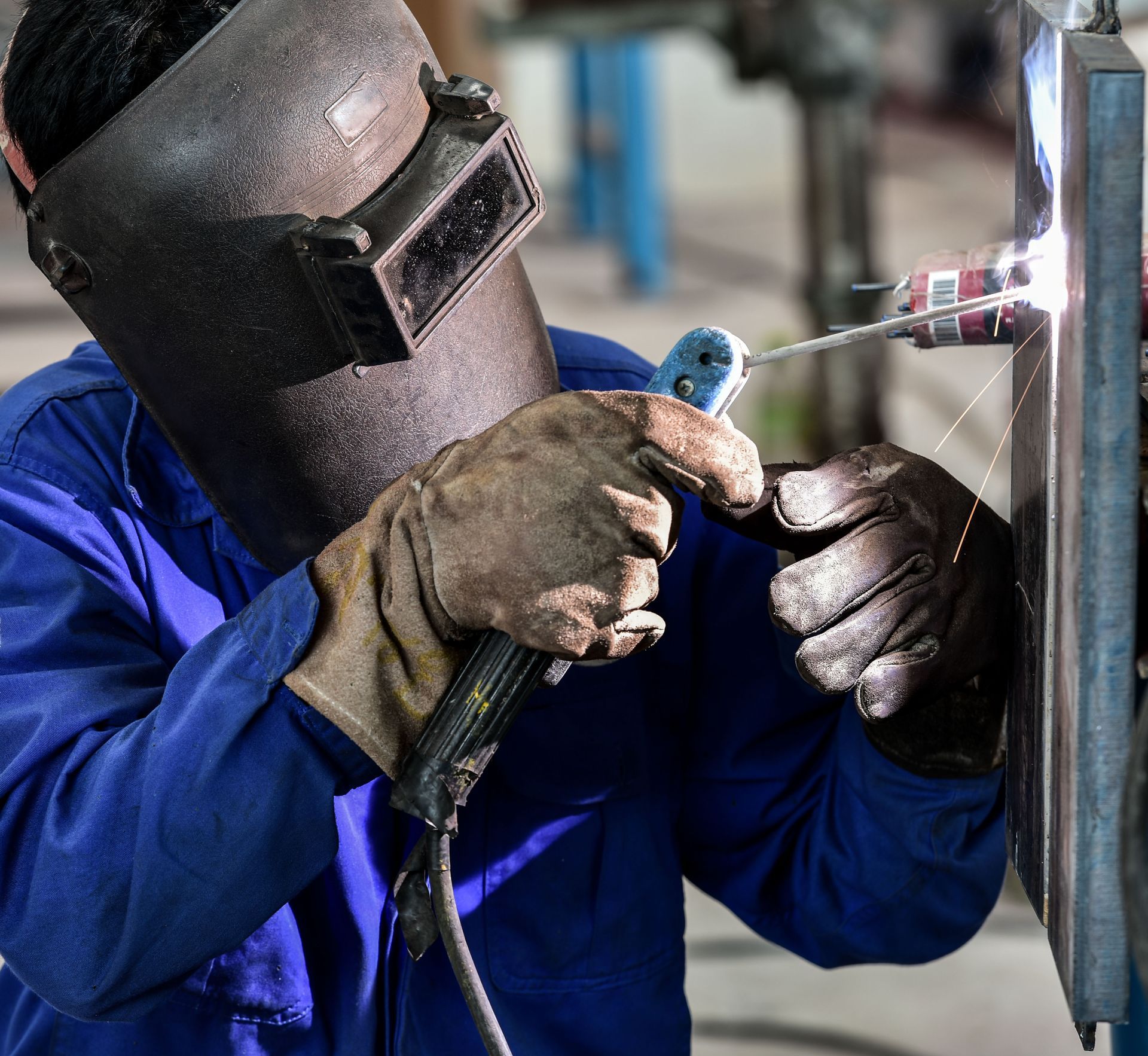
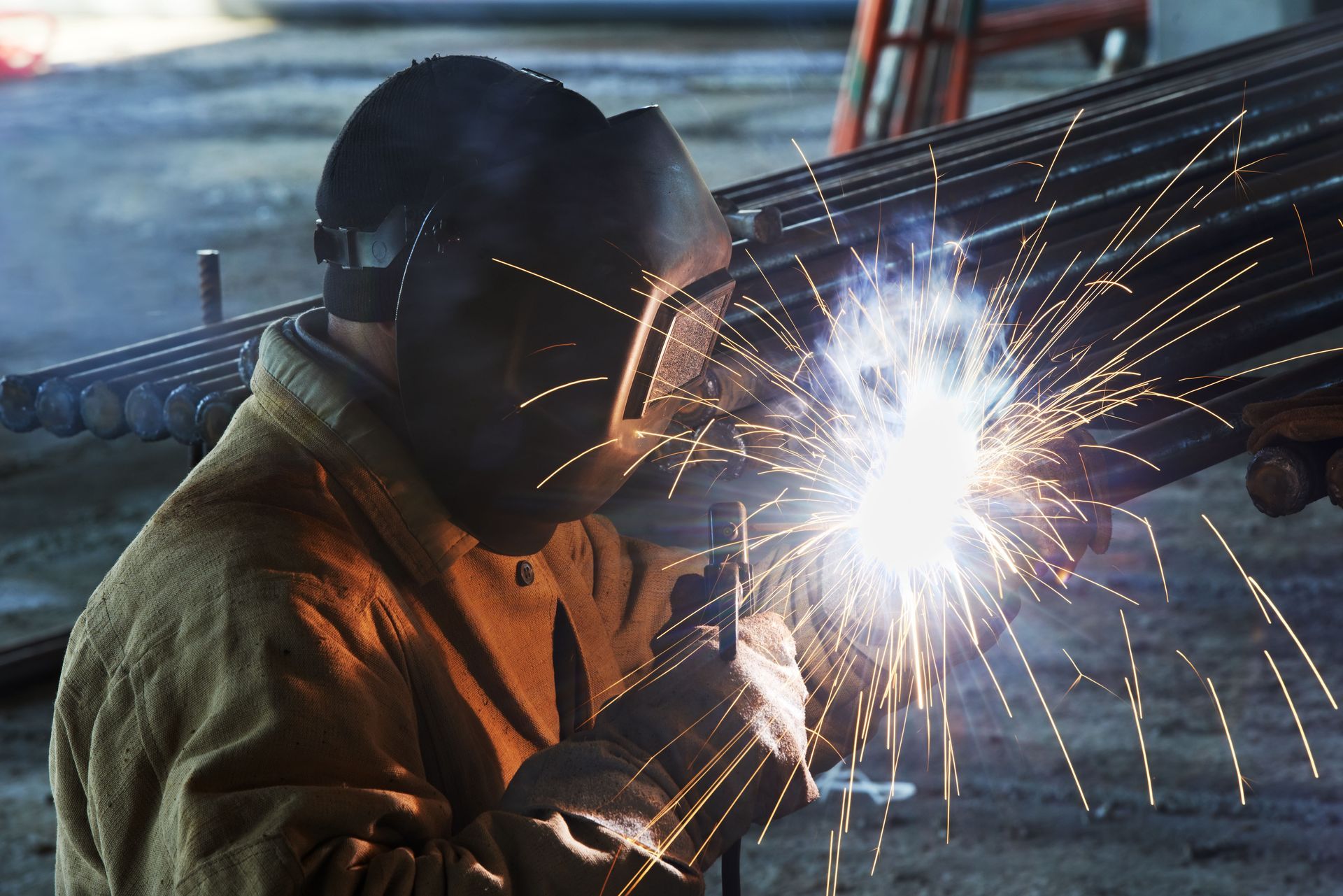
Identifying and mitigating common workplace hazards, such as exposure to toxic fumes, radiation, and electric shocks, remains a top priority for project managers. Personal protective equipment, such as auto-darkening helmets and fire-resistant clothing, provides critical defense against these daily operational risks. Education and regular safety briefings equip site workers with the practical knowledge to recognize potential dangers and respond appropriately. Prioritizing these measures cultivates a safer, more sustainable workplace for the entire construction crew.
Adopting Sustainable Industry Practices
The carbon footprint of industrial fabrication processes is an increasingly important consideration as environmental sustainability becomes a global priority. Fusing metals contributes to industrial emissions through heavy energy consumption and the consumption of consumable materials. Addressing these environmental concerns requires optimizing field processes to minimize energy waste. The development of low-energy power sources and eco-friendly consumables represents a positive step toward reducing the long-term environmental impact of the trade.
Eco-friendly field practices are becoming more prevalent as companies seek to balance infrastructure needs with environmental responsibility. Techniques such as utilizing recycled metals, optimizing cutting layouts to reduce scrap, and adopting cleaner primary energy sources are gaining traction. Effective waste management systems also ensure the safe disposal or recycling of hazardous slag and gas cylinders. By incorporating these green strategies, industrial fabrication businesses reduce their environmental impact while maintaining excellent project integrity.
As global demand for robust infrastructure continues to rise, the expertise of professional welders will remain vital to public safety and economic growth. Adhering to high standards of quality, safety, and environmental stewardship ensures that our modern transportation, energy, and building networks remain resilient for future generations. Investing in skilled labor and advanced technology allows the industry to adapt to evolving challenges while building a durable foundation for tomorrow. Maintaining the structural soundness of our communities requires dedicated expertise and a commitment to precision. For more information about the services that we offer, reach out to our incredible team at West River Welding & Machine Inc. today!
Share On: